Do’s and Don’ts While Choosing Professional Stage Lighting
By admin
Published on 2025-12-06 00:00:00
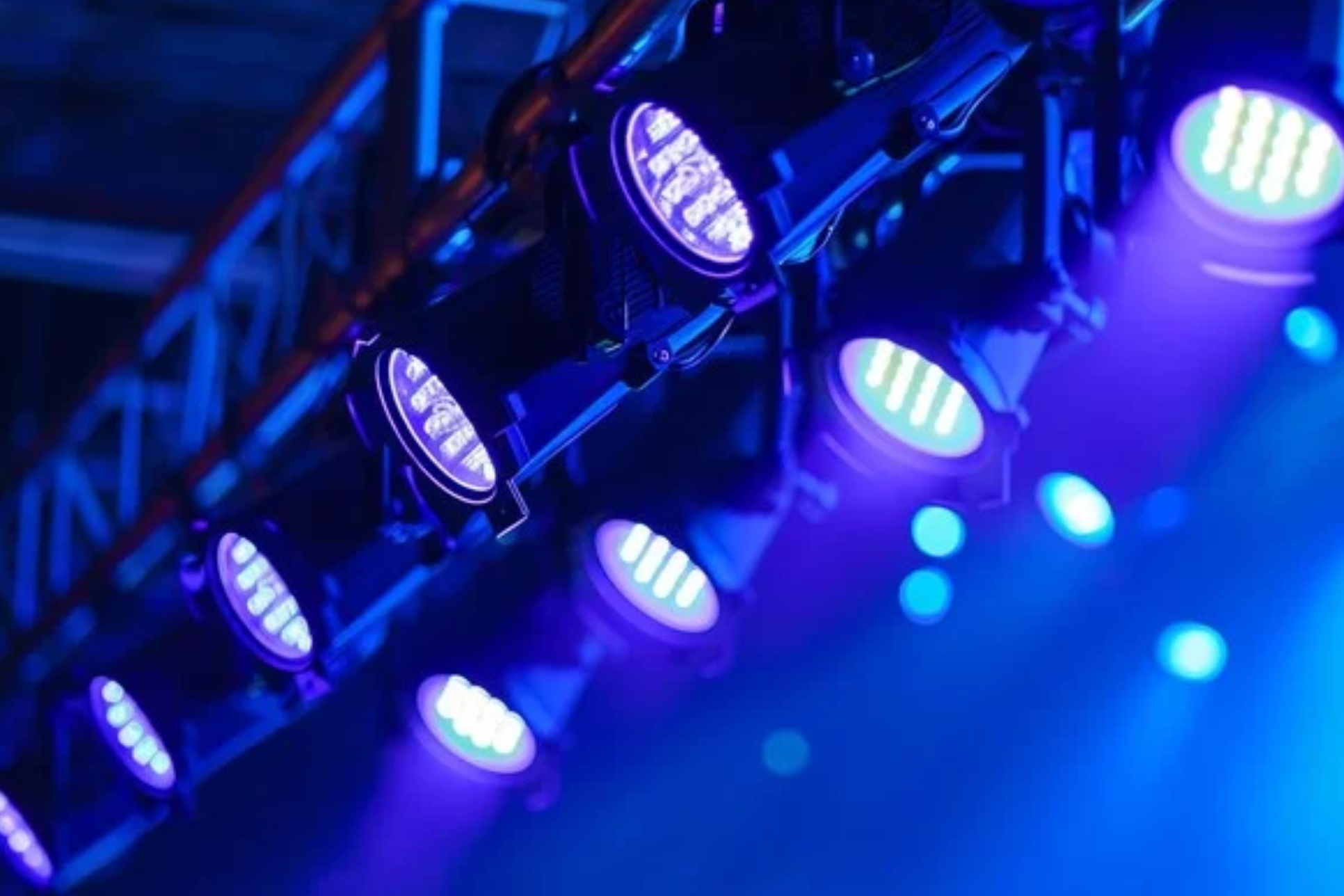
Choosing the right stage lighting can completely change how a performance goes and its impact. Good lighting highlights the performers, sets the right mood, and makes every moment more powerful.
All featured products are selected by our editors and may include affiliate links. If you purchase through these links, we may earn a commission.
When it comes to choosing a professional stage light, there are many things to consider that are often neglected. Good stage lighting can make a performance look professional. If you ever notice stage light can draw the audience’s eyes and change the mood in a single beat. On the other hand, bad lighting can hide performers, wash out colors, or make the whole show feel flat.
Choosing the right stage lighting matters, and there are a lot of small details that add up. Many people struggle to pick the right fixtures, colors, and setups, which leads to shows that look flat or unbalanced. Here are some do’s and don’ts that can clarify how picking the right lighting works for your venue, your budget, and your creative goals.
Why Good Stage Lighting Should be a Priority
Lighting does more than just make things visible. It:
- Sets the mood and supports the story.
- Shapes how the audience sees faces, costumes, and sets.
- Guides focus to key moments and people.
- Makes video and photos look better.
- Keeps performers safe on stage.
Lighting affects so much; choosing the right fixtures and setup is worth careful thought.
DO: Know your Venue and Your Needs First
Before buying or renting lights, answer these basic questions:
- What size is the stage and audience area?
- Is the venue indoor, outdoor, or both?
- Will you need lighting for small shows, big concerts, or both?
- What style do you want — natural, dramatic, colorful, or minimal?
- Will the lighting also be used for video recording or streaming?
Knowing these things helps you pick the right number, type, and power of lights.
DO: Pick the Right Types of Fixtures
There are many types of stage lights. Use each where it shines best:
- Wash lights — spread soft light over large areas. Great for filling the stage.
- Spotlights / ellipsoidals — give tight, focused beams and sharp edges. Ideal for solos.
- Moving heads — flexible and great for concerts or dynamic shows.
- Blinders and strobes — high impact, used carefully for moments of energy.
- LED pars and bars — efficient, colorful, and low-heat. Good for color washes.
- Fresnels — soft, controllable edge light for theater.
Mixing fixtures gives you control and visual interest.
DO: Pay Attention to Color Quality (CRI) and Color Temperature
- CRI (Color Rendering Index) tells how true colors look under the light. Aim for CRI 90+ for accurate skin tones and costume colors.
- Color temperature affects mood: warm (2700–3200K) feels cozy; neutral (3500–4500K) feels natural; cool (5000K+) feels clinical or bright. If you will film the show, coordinate the lights with the camera`s white balance.
DO: Think About Beam Angle and Throw Distance
- Beam angle affects how wide the light spreads. Narrow beams are for highlights; wide beams cover more area.
- Measure where lights will hang (distance to stage) and pick fixtures with suitable throw distances. This avoids hot spots or weak coverage.
DO: Consider Power Needs and Cable Runs
- Calculate the total power draw of all lights, dimmers, and moving fixtures.
- Check the venue’s available circuits and hire an electrician if needed.
- Use proper power distribution and keep cables tidy and secured.
Running out of power mid-show is an easy mistake to avoid with planning.
DO: Plan Control and Connectivity
- Choose a control protocol you understand: DMX is the standard for professional rigs.
- Make sure the lighting desk can handle all the fixtures and scenes you need.
- Consider wireless DMX for complex rigs, but test for interference.
- Use simple naming and mapping on your console to avoid confusion during the show.
DO: Prioritize Safety and Rigging Quality
- Use rated clamps, safety cables, and certified trusses.
- Follow local safety codes and weight limits.
- Hire trained riggers for overhead fixtures and large setups.
- Keep fixtures away from heat-sensitive props and scenery.
Safety isn’t optional — it protects people and equipment.
DO: Test Everything Early and Often
- Do a full tech run. Test all lights, cues, and colors.
- Check sightlines from multiple seats.
- Check how lights look on camera if filming.
- Keep notes for repeat shows.
Testing early saves last-minute panic.
DO: Budget for Maintenance and Spare Parts
- Keep spare lamps, fuses, cables, gels, and a spare fixture if possible.
- Schedule cleaning and maintenance; dusty lights lose output and can overheat.
- Replace worn clamps, safety wires, and connectors before they fail.
A small spare parts kit keeps the show running.
DON’T: Overbuy without a Plan
Buying the newest, shiniest gear is tempting. Don’t buy equipment you won’t use. Focus on fixtures that match your venue size and show style. Renting for one-off events is often smarter than buying.
DON’T: Ignore Control Simplicity
A complex rig is powerful but can be hard to run. If your team is small or not very trained, pick a console and set up, they can use reliably. Too many cues and effects can cause mistakes during live shows.
DON’T: Skimp on Rigging and Safety Gear
Cheap clamps and unsecured fixtures are dangerous. Never compromise on certified rigging hardware and trained staff to hang lights. It’s not an area to save money.
DON’T: Forget about Audio-Visual Coordination
Lighting and sound work together. Bright backlight can cause glare on screens. Strobes can disturb camera exposure. Coordinate with your AV and camera team so the final output looks great.
DON’T: Use too Many Moving Effects without Purpose
Moving heads, lasers, and strobes look cool. But if they don’t serve the story or the music, they distract. Use effects to support the performance, not to cover it.
DON’T: Neglect the Audience Experience
Lights in the audience can be blinding. Keep audience safety and comfort in mind. Avoid lighting that points directly into spectator sightlines or causes discomfort.
Quick Checklist Before you Buy or Rent
The following is the checklist before you buy or rent professional lighting:
- Measure stage and venue dimensions.
- Define the show’s lighting goals.
- Decide fixture types (wash, spot, moving head, LED).
- Check CRI and color temperature needs.
- Calculate power requirements.
- Confirm DMX and control needs.
- Plan rigging layout and weight limits.
- Schedule tests and a full tech run.
- Buy spare parts and maintenance supplies.
- Train the operator on the console and cues.
Final Tips
Here are some final tips:
- Start simple and add complexity as you learn.
- Rent high-end fixtures for special events instead of buying them.
- Choose LED fixtures for lower heat, longer life, and color flexibility.
- Keep documentation and labeling for all patches, circuits, and DMX addresses.
Try Shehds for Reliable Professional Lighting
If you want a brand that balances quality, reliability, and professional features, Shehds is a great choice. Shehds makes stage lighting that covers a wide range of needs, from bright, weatherproof wash lights for outdoor events to precise moving heads and DMX-ready fixtures for theater and concerts. Their products are built with solid rigging points, thoughtful cooling systems, and clear documentation, which makes installation and maintenance easier. For venues and production teams that want dependable lights that perform night after night, Shehds is a brand worth checking out.
Choosing stage lighting doesn’t have to be confusing. Plan for your space, match fixtures to your creative goals, and don’t cut corners on safety or control. With the right gear and the right team, your lighting can lift every performance to the next level. If you’re ready to invest in quality professional lights, give Shehds a look. They offer many practical options that help technicians and artists get the exact look they want.
Shehds has an affiliate program, and we are an affiliate with them. As an affiliate partner, I’m excited to share this useful information with you. By clicking the following link, you may get a discount on your next purchase. We may earn a small commission at no extra cost to you.
Stay tuned to BodyBuildingRule to explore more about choosing professional stage lighting.
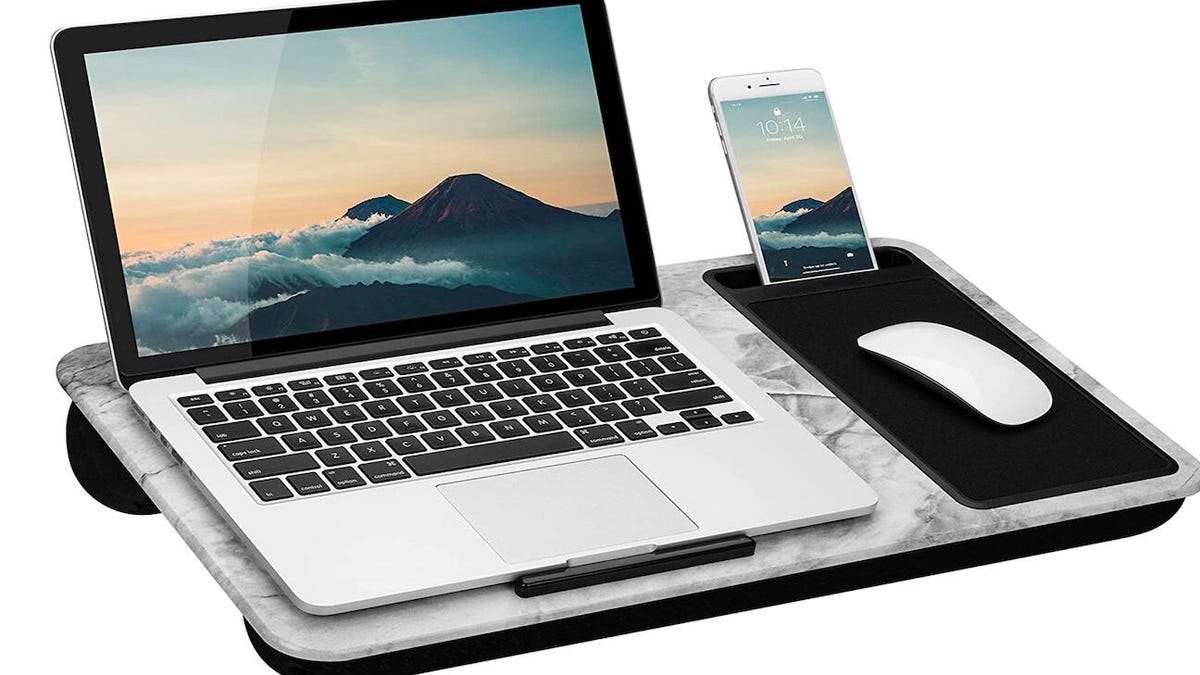
With many school districts offering flexible learning arrangements for students due to the coronavirus pandemic, it,s important to ensure your students have access to quality technology products for the upcoming school year.
With many school districts offering flexible learning arrangements for students due to the coronavirus pandemic, it,s important to ensure your students have access to quality technology products for the upcoming school year.
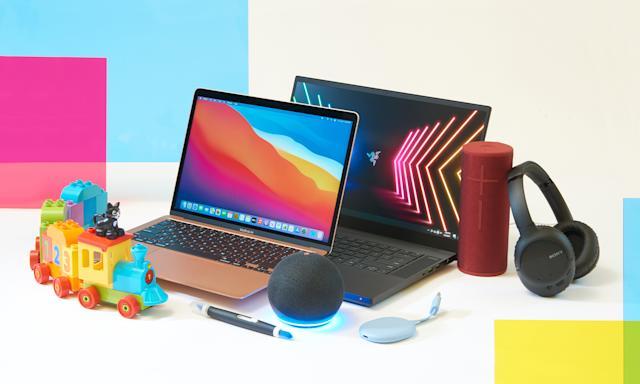
Best Laptop for Students, Apple MacBook Air 2020
Best USB Battery Pack, Mophie PowerStation PD
Best Computer Monitor under $200, Samsung C24F390
Best Wireless Headphones, Sony WH-1000X4
Best Headphones for Kids, Puro Sound Labs Puroquiet Kids Headphones

Apple MacBook Air 2020
The Mac Book Air M1, which has a record-breaking M1 processor, an extraordinarily smooth touchpad, and a keyboard, should come as no surprise given its nearly thirteen-hour battery life. The Mac Book Air is the ideal laptop for staying up late writing essays and viewing high-definition movies, unless your schools require Windows 10.
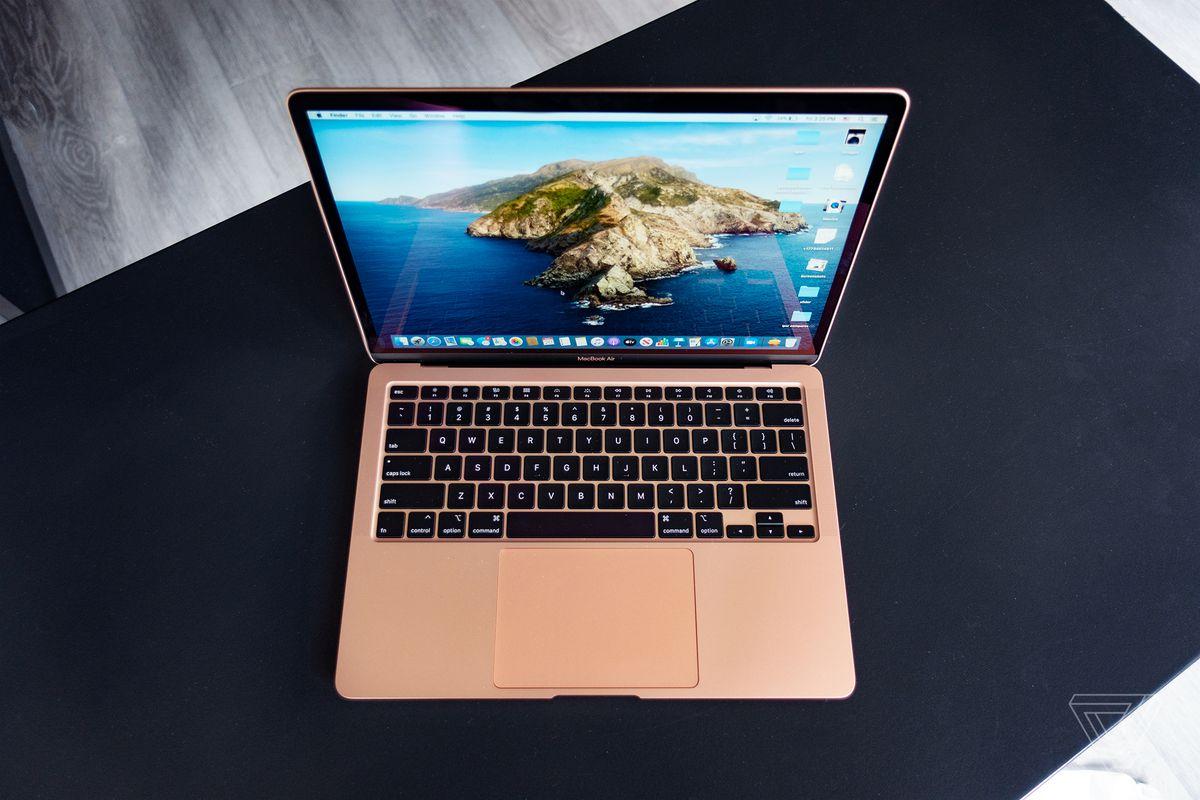
The Mac Book air is exceptional not only for its lightning-fast capabilities but also for its long battery life. We expected the advertised 15-hour battery life to be reduced to nine hours because our battery test consistently drains the laptops, batteries faster than they are supposed to.
However, we only got close to 13 hours, which is exactly one hour less than the M1 MacBook Pro,s 13. Despite using the MacBook Air during working hours, we managed to go days without charging it even with that extra hour. Nearly as long as you can remain awake, this laptop can.
Pros
+ Jaw dropping battery life + incredible performance + iconic build quality
Cons
_ Poor port selection
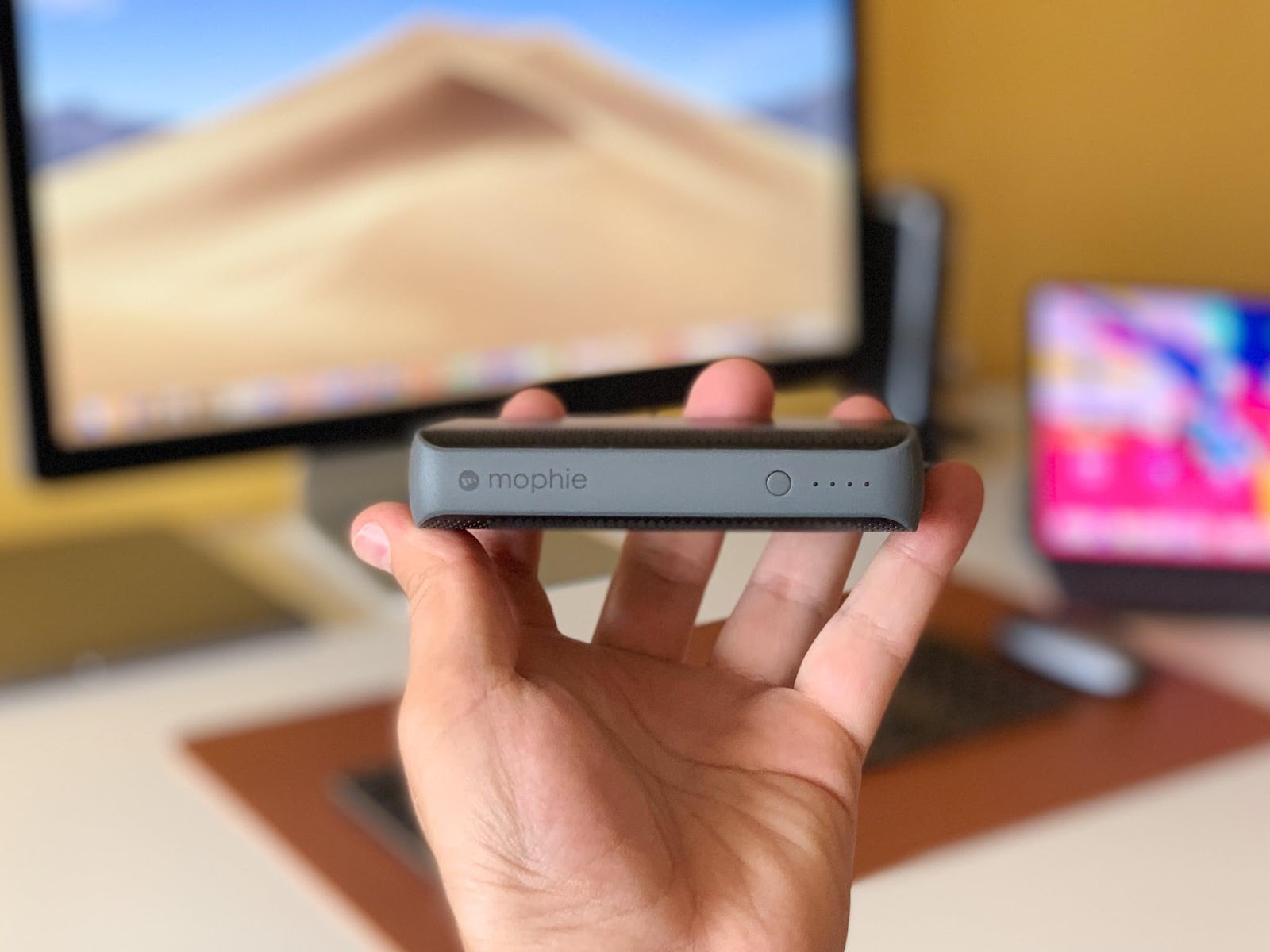
Mophie PowerStation PD
A portable battery pack is very helpful to keep students, smartphones charged because it is no secret that students who attend in-person classes rely heavily on them throughout the day.
The Mophie PowerStation PD is a compact battery that measures little over 4 x 2 x 0.9 inches yet packs a powerful 6700 mAh. Through its USB-C or USB-A ports, which provide 18 and 14 Watts, respectively, this juice can be output. For heavy users during the workweek or to keep your Smartphone charged on a long flight, this battery pack is perfect.
Pros
+ Compact + fast charges times
Cons
_ No built in charging cables
Samsung C24F390
Although using a second monitor won,t double the speed of schoolwork, it will undoubtedly help pupils be more productive. Thanks to the contrast ratio of its Vertical Alignment display panel, the Samsung C24F390 obviously outperforms other monitors in its class in terms of visual quality.
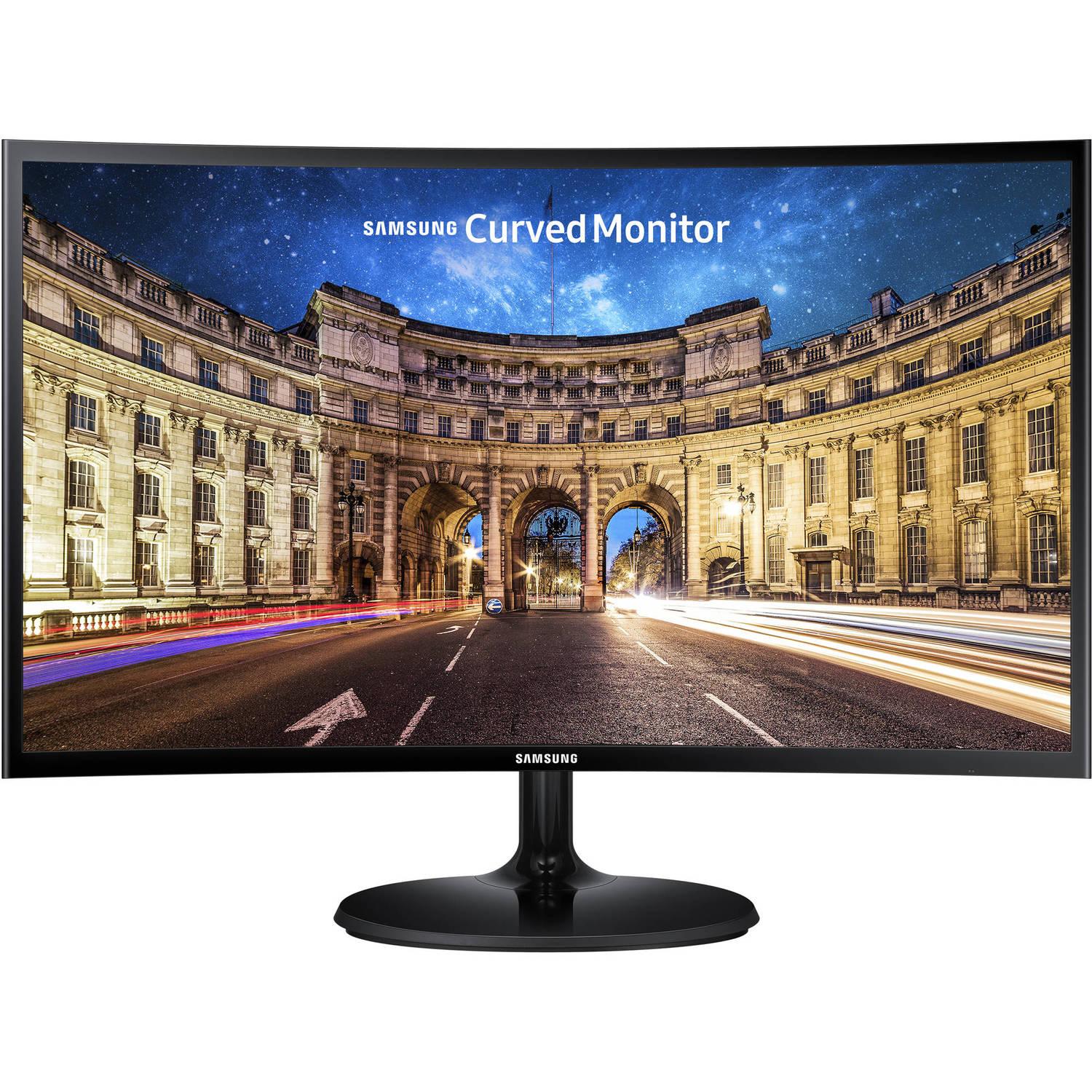
Most budget displays simply exhibit a hazy, unimpressive gray in scenarios where this monitor can display deep, inky black levels. It is, nevertheless, far brighter than the rivals we tested in practical use. The C24F390 has a distinct advantage in movies and games, which appear vivid and clear on its screen, something you might not notice when editing a spreadsheet.
Pros
+ Great contrast ratio + vibrant colors + low price
Cons
_ Flimsy stand only adjusts tilt _ low refresh rate
Sony WH-1000X4
A good set of noise-canceling headphones is a necessity for all students this school year, especially those who will be learning in noisy environments. The Sony WH-1000XM4 is the greatest wireless headset we,ve tested at Reviewed, and we,ve tried plenty of them over the years.
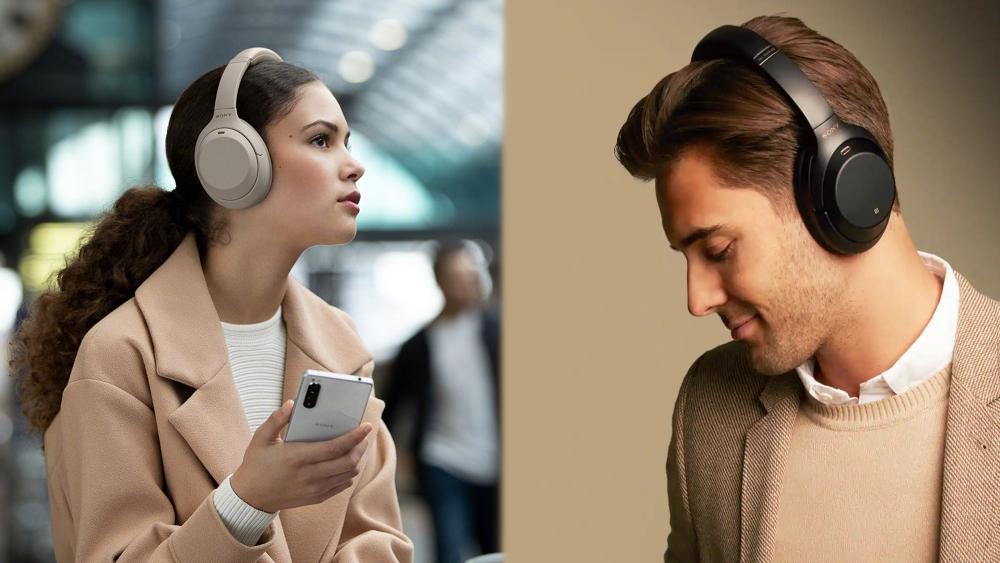
The 1000XM4 is a clear winner for students who want to concentrate on their studies while jamming out since it combines superb sound quality, all-day comfort, strong noise-canceling, and a fashionable design. They include a superb built-in mic that works well for video conversations, and they connect both wirelessly and over wires.
Pros
+ Excellent audio quality + top-notch noise canceling + all day comfort
Cons
_ Effective operation has a learning curve
Puro Sound Labs Puroquiet Kids Headphones
From classroom computer learning games to video chats with the whole class, kids also need a quality pair of noise-canceling headphones to get their work done. Out of the nine child-friendly headphones our editors tested, the Puro Sound Labs PuroQuiet Kids Headphones came out on top as the best headphones for kids, offering great sound and volume limiting to keep their hearing safe.
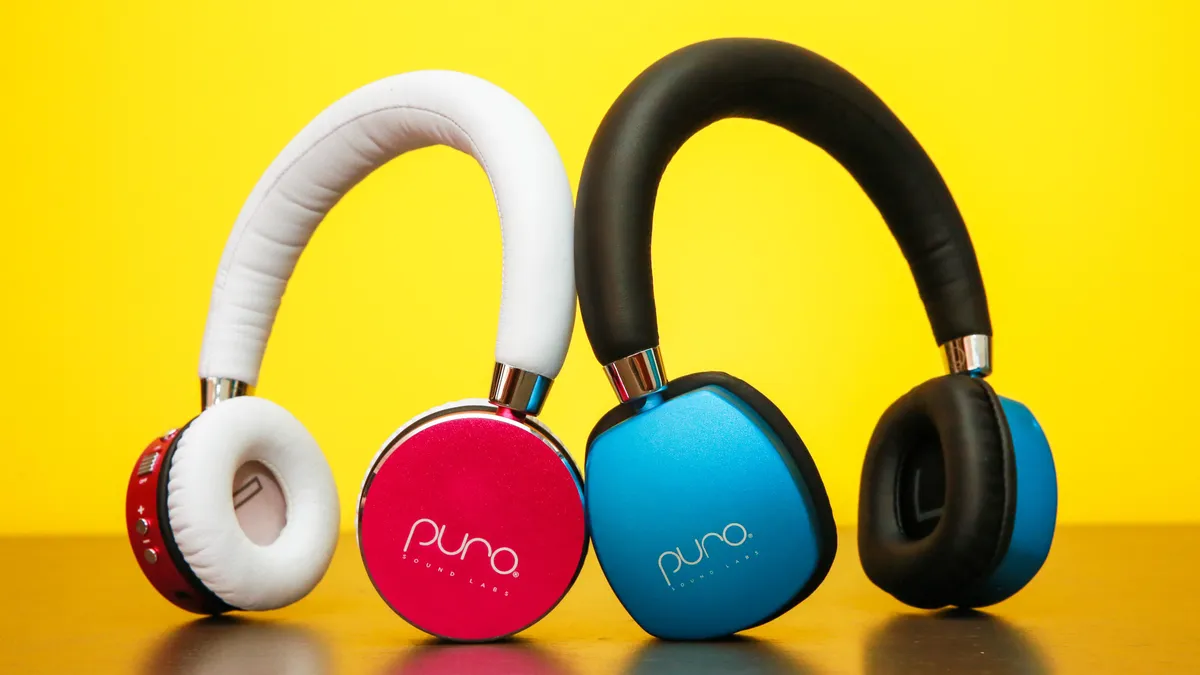
The recommended maximum of 85dBA isn,t extremely loud, even though volume-limiting headphones are essential for safeguarding your child,s hearing. By further attenuating background noise using noise cancellation, these headphones assist in finding a solution.
For younger children who are likely to forget them somewhere (or just break them), headphones that cost approximately $100 (or higher) can be expensive, but for an older child who wants finer headphones, these are worth the expenditure.
Pros
+ Cuts ambient noise with no technical issue + safe for up to 8 hours + tangle free
Cons
_ Very expensive
BLOGS

Related
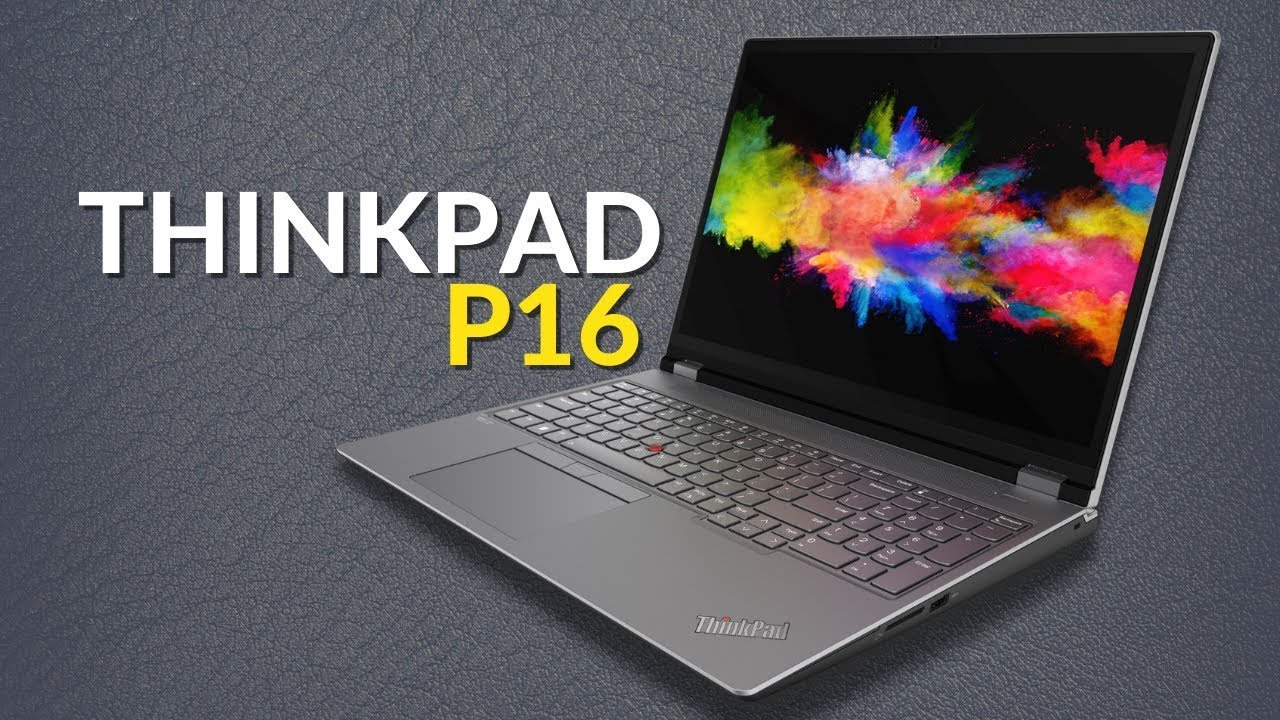
Lenovo's New ThinkPad P16 a Gaming Laptop Look-Alike
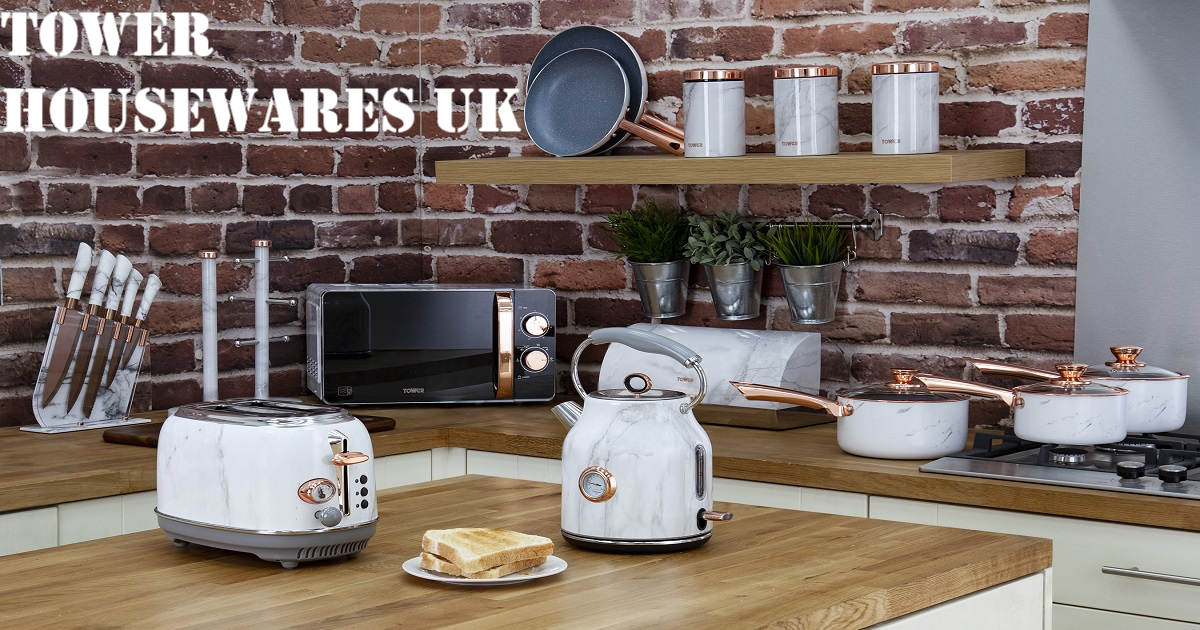
Top Cordless Irons from Tower Housewares UK in 2022
Introducing Thermoworks NODE WiFi Temperature Monitor

Car Accessories by Halfords